Crochet Stitch
Library
Learn essential crochet stitches with beginner-friendly instructions, helpful tips and step-by-step tutorials. Start with the basics or explore textured, decorative and advanced stitches.
Find Your Next Crochet Stitch
Choose a category based on your skill level or the type of fabric you would like to create.
Basic Stitches
Learn the foundation stitches used in almost every crochet pattern and project.
Textured Stitches
Add dimension, warmth and raised details to blankets, bags, garments and accessories.
Lace & Openwork
Create lightweight, decorative fabric for summer tops, shawls, doilies and elegant accessories.
Advanced Stitches
Build confidence with intricate stitch patterns, cables, layered textures and decorative motifs.
Follow the Beginner Learning Path
Learn these six essential crochet stitches in order. Each lesson introduces a new skill and prepares you for the next step.
Chain Stitch
Learn how to create the foundation chain used to begin most crochet projects.
Slip Stitch
Join rounds, move across stitches and create neat decorative edging.
Single Crochet
Make a short, strong stitch that creates firm and closely packed fabric.
Half Double Crochet
Create a flexible stitch with more height and texture than single crochet.
Double Crochet
Work a taller stitch that builds rows quickly and creates softer fabric.
Treble Crochet
Learn a tall, open stitch used in lightweight and decorative crochet patterns.
Beginner tip
Practise each stitch with a small square swatch before moving to the next lesson. This helps you develop consistent tension and makes it easier to recognise your stitches.
Essential Basic Stitches
These foundation stitches appear in almost every crochet pattern. Learn how each stitch is formed, what its abbreviation means and which projects it works best for.
Not sure where to begin?
Start with the chain stitch and follow the lessons in order. Practise each stitch by making a small square before moving to the next tutorial.
Beautiful Textured Stitches
Textured crochet stitches create raised details, soft clusters and woven effects. Use them to add character to blankets, accessories, garments and home décor projects.
Many textured stitches are made by grouping basic stitches or working around the posts of stitches from the previous row.
Shell Stitch
Several stitches worked into one space create graceful fan-shaped shells and softly scalloped fabric.
Puff Stitch
Elongated loops are gathered together to form a soft, rounded stitch that stands slightly above the fabric.
Popcorn Stitch
A group of completed stitches is closed together to create a firm, rounded shape that projects from the fabric.
Bobble Stitch
Partially completed stitches are joined at the top to form compact bobbles with noticeable raised texture.
Basketweave Stitch
Alternating front-post and back-post stitches create raised blocks that resemble woven basket strands.
Cluster Stitch
Several partially completed stitches are joined at the top to create neat groups with gentle raised texture.
Puff, popcorn or bobble stitch?
These stitches may look similar, but they are constructed differently. Puff stitches use elongated loops, bobbles use partially completed stitches, and popcorn stitches use fully completed stitches joined together.
Lace & Openwork Stitches
Create delicate spaces, flowing patterns and lightweight crochet fabric. These stitches are especially beautiful for shawls, summer garments, table décor and decorative borders.
Gently blocking your finished project opens the stitch pattern, defines the details and helps the fabric hold its shape.
V-Stitch
Two tall stitches worked into the same space create an open V shape that forms soft, flexible fabric.
Mesh Stitch
Chains and basic stitches alternate to create an open grid with excellent drape and breathability.
Fan Stitch
Groups of tall stitches spread outward from one space to create decorative fans with soft curves.
Picot Stitch
A short chain joined back to itself forms a tiny decorative point commonly used along edges and motifs.
Pineapple Stitch
Chains and grouped stitches form an intricate motif shaped like a pineapple with elegant open spaces.
Spider Stitch
Single crochet stitches and chain spaces create a simple, lightly textured fabric with tiny decorative openings.
Choose the right yarn for lace
Smooth yarn with good stitch definition makes openwork patterns easier to see. Avoid very fuzzy yarn when learning because it can hide chains, spaces and stitch placement.
Intricate Advanced Stitches
These detailed stitches combine familiar crochet techniques in more complex ways. Practise slowly, count carefully and use stitch markers while learning each pattern.
Use a smooth, light-colored yarn so every loop and stitch is easy to see before beginning a complete project.
Star Stitch
Several loops are gathered together to form repeating star-shaped clusters with a thick and elegant texture.
Cable Stitch
Front-post and back-post stitches cross over one another to create raised twists that resemble knitted cables.
Crocodile Stitch
Groups of stitches are worked around posts to create overlapping scales with bold, three-dimensional texture.
Solomon’s Knot
Long, even loops are secured with single crochet stitches to create delicate knotted lace with beautiful drape.
Advanced does not mean impossible
Work one repeat at a time and place a stitch marker at the beginning of each repeat. Once you understand how the repeat is constructed, the full pattern becomes much easier.
This Month’s Featured Stitch
Take a closer look at one essential crochet technique, including how it is made, where to use it and tips for achieving neat, consistent results.
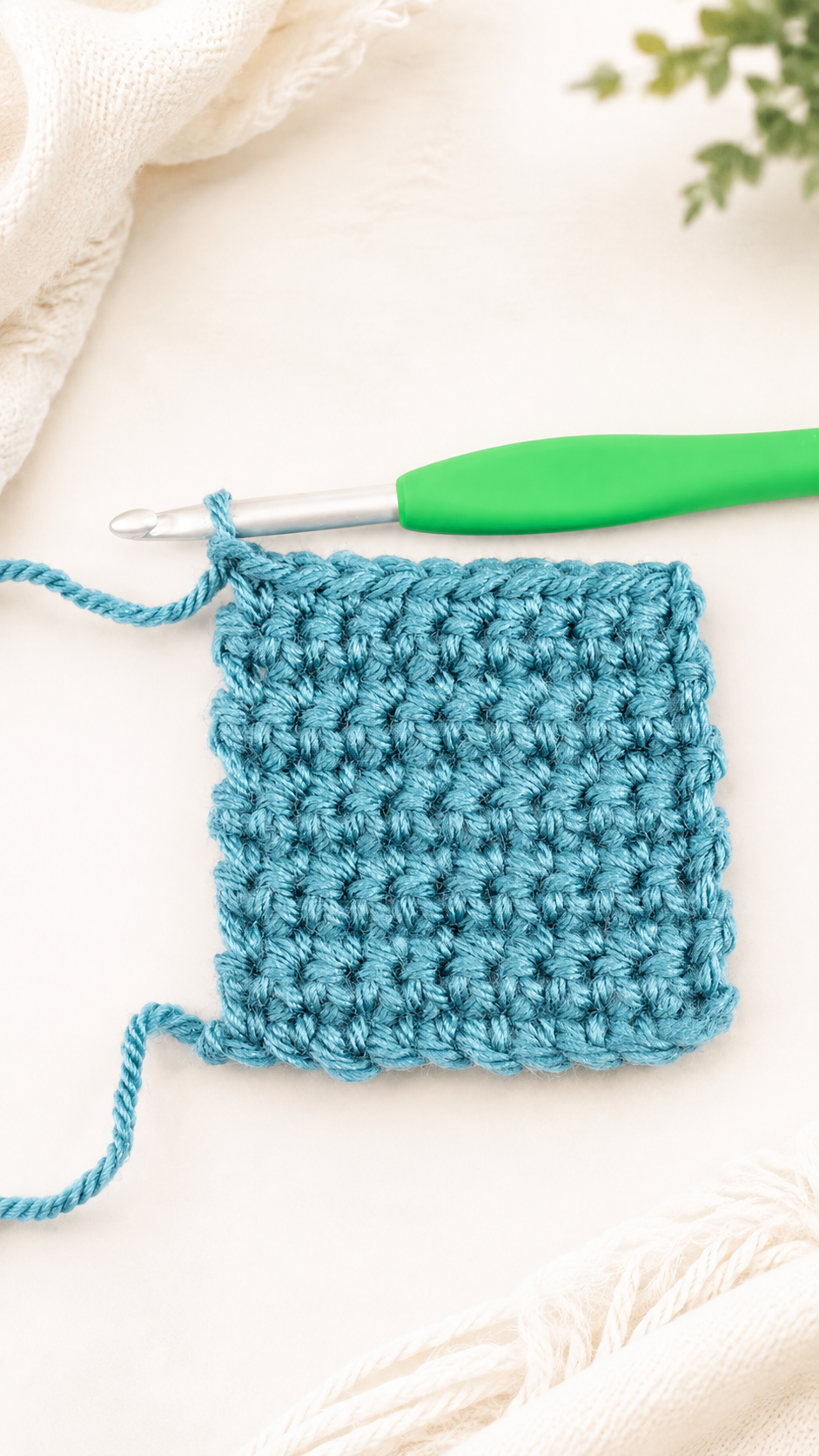 Featured stitch
Single crochet creates closely packed stitches with very little space between them.
Single Crochet
Single crochet is one of the first stitches every beginner should learn. It creates a strong, compact fabric and forms the foundation for amigurumi, bags, washcloths, borders and many everyday crochet patterns.
How to Make a Single Crochet
Insert the crochet hook into the next stitch or the required chain space.
You should now have two loops resting on your crochet hook.
Yarn over again and pull the yarn through both loops on the hook.
Avoid pulling each stitch too tightly. Consistent, relaxed loops make it easier to insert your hook into the next row.
Prefer to watch the stitch?
Follow the single crochet video tutorial and practise each movement at your own pace.
Crochet Practice Patterns
Choose a project that matches your current skill level and practise the stitches you have learned while making something useful, wearable or cozy.
Pick a pattern that uses mostly familiar stitches with only one new technique. This keeps the project enjoyable while still helping you improve.
Repeated rows and one or two basic stitches.
Basic stitches combined with rounds or simple joining.
Shaping, stitch combinations and garment construction.
Looking for more crochet projects?
Browse the complete pattern collection and choose your next project by skill level, season or project type.
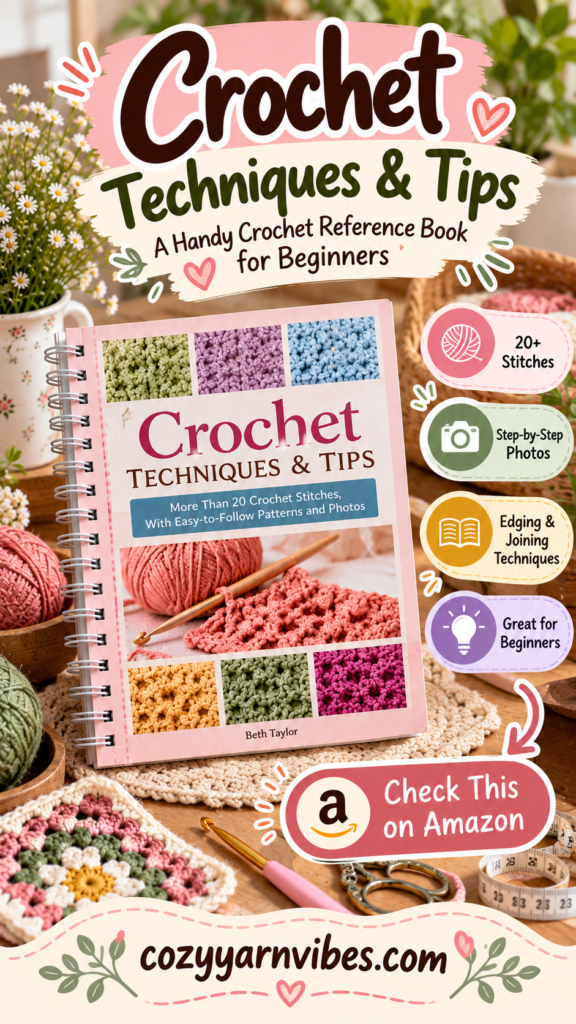
Crochet Techniques & Tips: A Helpful Crochet Book for Beginners
CROCHET BOOKS & RESOURCES Learning to crochet is exciting, but it can also…
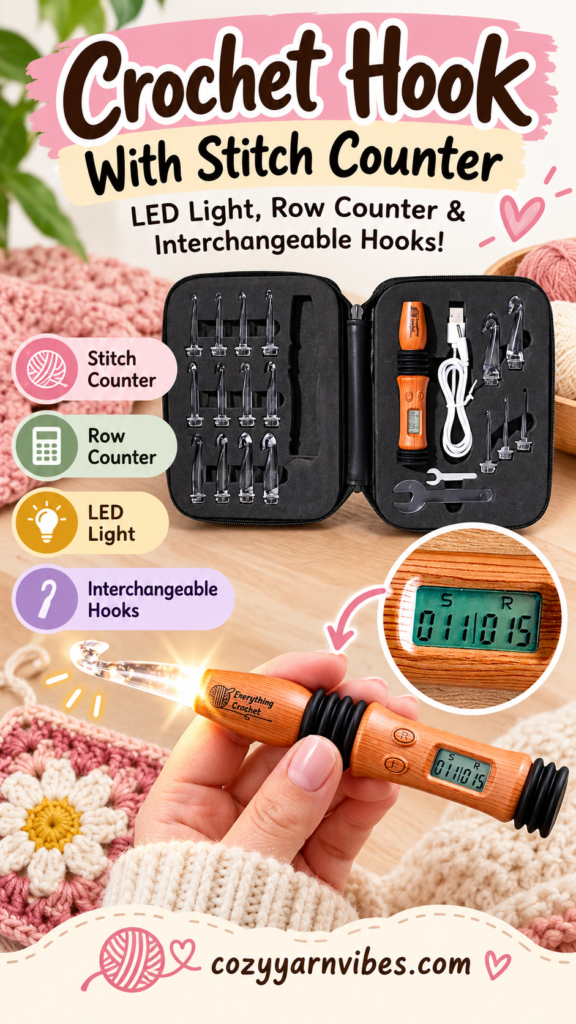
Crochet Hook With Stitch Counter & LED Light – Is It Worth It?
If you crochet regularly, you probably know how easy it is to lose…
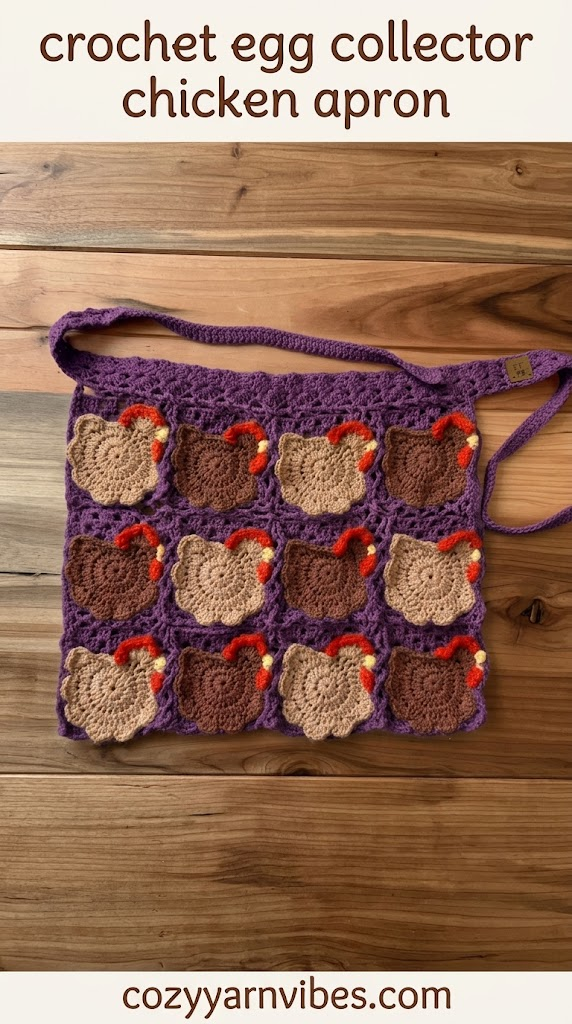
Free Crochet Chicken Apron Pattern For Collecting Eggs
Make collecting fresh eggs a little more fun with this adorable Crochet Chicken…
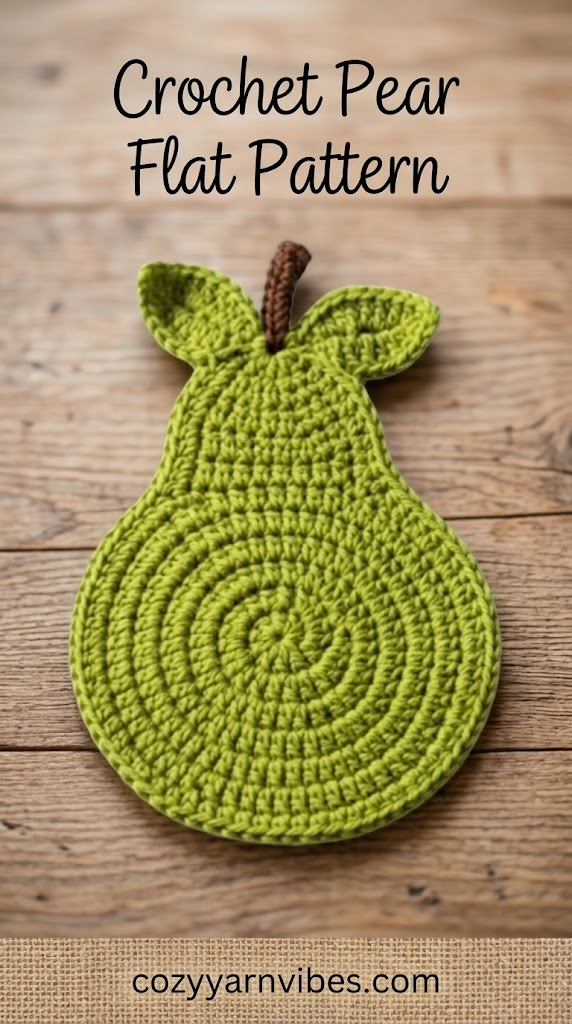
Crochet Pear Flat Pattern: Easy Guide For Beginners
Looking for a simple crochet project that is quick, cute, and beginner-friendly? This…
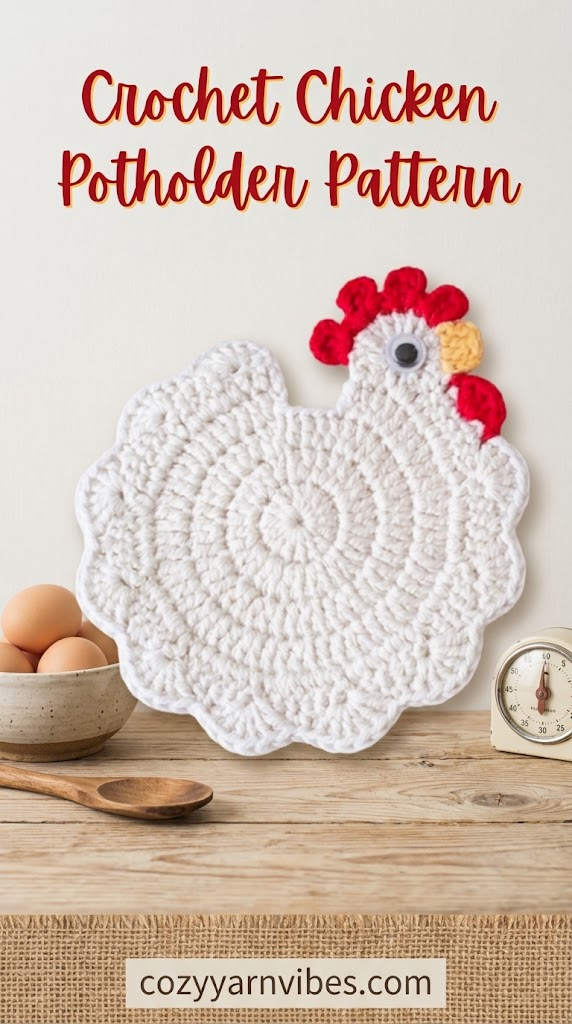
How to Crochet a Chicken Potholder: A Complete Step-by-Step Tutorial
Looking for a fun and useful crochet project for your kitchen? This Crochet…
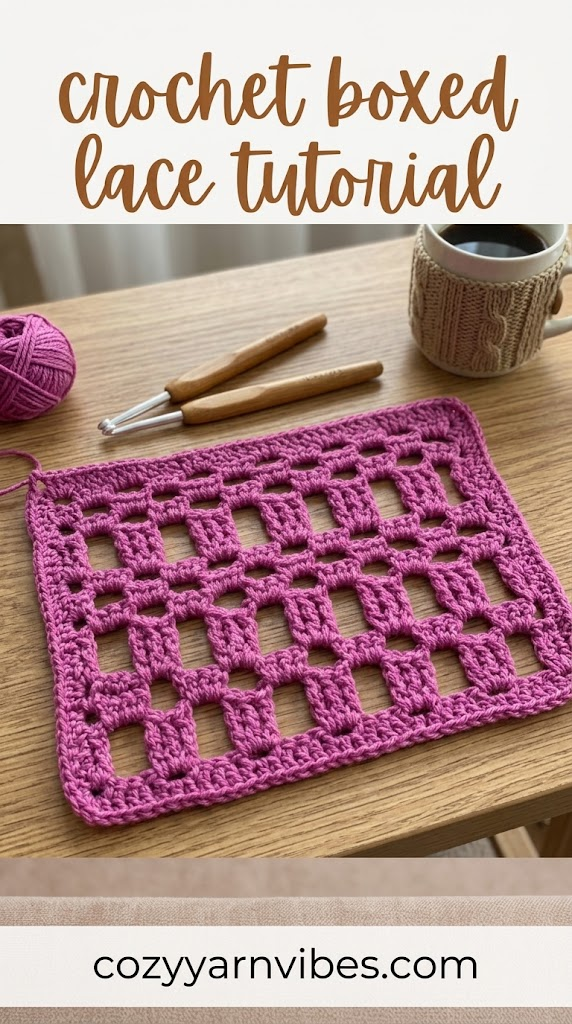
How to Crochet Boxed Lace Stitch: A Beginner’s Guide
The Boxed Lace Stitch is a beautiful crochet stitch that combines open chain…
Crochet Stitch FAQs
Find simple answers to common questions about choosing stitches, improving tension and building confidence with crochet patterns.
01 Which crochet stitch should a beginner learn first?
Begin with the chain stitch, because it forms the foundation of most crochet projects. After that, learn the slip stitch, single crochet, half double crochet and double crochet.
View the beginner learning path →02 How do I choose the right stitch for a project?
Consider the type of fabric you need. Use single crochet for firm and dense fabric, double crochet for softer and faster-growing fabric, and lace stitches for light, open and decorative projects.
When following a published pattern, use the stitch specified by the designer unless you are comfortable adjusting the stitch count, size and drape.
Browse stitch categories →03 Can I combine different crochet stitches?
Yes. Combining stitches can create stripes, texture, decorative panels and unique fabric. For example, you can alternate single crochet with double crochet or add rows of shell, bobble or V-stitches.
Make a small swatch first because different stitches can have different heights and may change the width or shape of your project.
04 Why do my crochet stitches look uneven?
Uneven stitches are usually caused by changing yarn tension, missing stitches or inserting the hook into different parts of the stitch.
Keep your hands relaxed, use the same hook throughout the project and count your stitches at the end of every row. Regular practice will make your tension more consistent.
05 Why is my crochet project getting wider or narrower?
Your project may change width when stitches are accidentally added or skipped at the beginning or end of a row. Turning chains can also be mistaken for regular stitches.
Count every row and place stitch markers in the first and last stitch. This makes the edges easier to identify and helps you maintain the correct stitch count.
06 What is the difference between US and UK crochet terms?
US and UK patterns sometimes use the same stitch name for different techniques. For example, a US single crochet is called a UK double crochet.
Check whether a pattern uses US or UK terminology before starting. Cozy Yarn Vibes tutorials should clearly identify the terminology used in each pattern.
07 Should I practise a stitch before starting a pattern?
Yes, especially when the pattern uses a stitch you have not tried before. Make a small square swatch to practise the stitch repeat, check your tension and see how the yarn behaves.
A swatch also helps you identify mistakes before committing time and yarn to the full project.
Explore practice patterns →08 Which yarn is easiest for learning crochet stitches?
A smooth, medium-weight yarn in a light or medium color is usually easiest to see and handle. Avoid very dark, fuzzy or highly textured yarn while learning because individual loops can be difficult to identify.
Use the hook size recommended on the yarn label as a practical starting point.
Still have a crochet question?
Browse the complete stitch library or leave your question on the relevant tutorial so other crocheters can benefit from the answer too.